Wondering what it’s really like to live in downtown Billings? If you are weighing a condo, loft, or low-maintenance home in the city core, the lifestyle can feel very different from other parts of Billings. From walkable blocks and mixed-use buildings to arts, dining, and practical day-to-day tradeoffs, here’s what you should know before you buy. Let’s dive in.
Why downtown Billings feels different
Downtown Billings stands apart because it functions as the city’s historic and contemporary urban core. Current city planning describes it as a place with multi-story buildings built to the sidewalk, a fine-grained mix of uses, and a highly walkable pedestrian environment.
That means your living experience is often shaped by proximity. Instead of driving for every errand or outing, you may be able to walk to restaurants, cultural venues, retail, and events within the downtown district’s 18-plus city blocks.
A simple way to see that difference is through walkability. One example for Billings ZIP code 59101 shows a Walk Score of 72, rated Very Walkable, while Billings overall averages 35. In practical terms, downtown can offer a much more foot-friendly lifestyle than the citywide norm.
Downtown homes you can expect
Downtown housing is not built around large subdivisions. Instead, the area is shaped more by adaptive reuse and mixed-use infill, which gives it a different housing mix than many other Billings neighborhoods.
You are more likely to see lofts, condos, apartments, and mixed-use buildings, including residential spaces created from older commercial or historic structures. A downtown housing strategy identified examples such as Tracy Lofts, Stapleton Lofts, Montana Avenue Lofts, One South Broadway, Old Maverick Fire Station, Babcock Apartments, Acme Hotel, Securities Building, and O'Donnell Hotel.
For buyers, that often means homes with more character and a more urban layout. It can also mean floor plans, finishes, and building features vary widely from one property to the next.
Older buildings and smaller footprints
If you are comparing downtown living to newer parts of Billings, size and age will likely stand out. A downtown housing strategy found that homes in and near downtown were older and smaller on average than homes citywide.
The same report noted an average age at sale of 79 years and an average size of 1,842 square feet. Those patterns reflect the original city neighborhoods, traditional block grid, and denser development pattern that helped shape the area.
For some buyers, that is a major plus. You may value architectural details, historic character, or a location that puts daily life within easier reach.
Walkability is the main lifestyle draw
For many buyers, the biggest reason to choose downtown is simple: convenience on foot. The district’s mix of housing, dining, entertainment, and services creates a lifestyle where shorter trips can become part of your routine.
Downtown Billings also promotes itself as home to Montana’s largest walkable brewery district. The Brew Trail includes six breweries, two distilleries, and one cider mill along a three-mile route, with nearby shops, restaurants, and historic sites adding to the experience.
If you enjoy being out and about, downtown also offers recurring events and public art. ArtWalk Downtown Billings takes place six times a year on the first Friday of every other month and often includes food, live music, gallery talks, dance, street theatre, and interactive programming.
The LightBike Trail adds another layer to the area’s identity. It brings public art into downtown alleyways and helps reinforce the kind of urban texture that makes walking more interesting.
Culture and entertainment close by
Downtown living can also appeal to buyers who want cultural spaces nearby. Several local anchors sit within the walkable core, which helps make downtown feel active beyond standard business hours.
Art House Billings operates Art House Cinema and Pub and the Babcock Theatre. The Billings Depot sits in the heart of downtown, and the Western Heritage Center occupies a 1901 National Register building on Montana Avenue.
When you live nearby, these places are not just occasional destinations. They can become part of your weekly rhythm, whether that means meeting friends, attending events, or simply enjoying a more connected routine.
Daily convenience and transportation
Walkability does not mean every downtown buyer gives up a car. In reality, many people want flexibility, so it helps to understand how parking and transit work in the core.
The city’s parking division manages downtown parking through three garages, three lots, and about 849 meters. PayByPhone is also available, which can make parking easier for residents and visitors.
If you want a car-light lifestyle, MET Transit offers Route 1 Downtown Circulator along with the downtown transfer center. That gives some residents another option for getting around without relying only on driving.
What to know about winter walking
There is one practical detail that matters in a Montana winter: sidewalk maintenance. The city notes that property owners or tenants must clear sidewalk snow, ice, and slush within 24 hours of a snow event.
That may sound small, but it is part of living in a walkable district. If you buy a downtown property, especially one with a direct sidewalk responsibility, it is worth understanding how snow removal is handled.
In some buildings, that may be straightforward. In others, especially in properties with shared ownership or building management, you will want clarity before you buy.
Who downtown Billings may fit best
Downtown living tends to work best for buyers who want access, energy, and lower-maintenance living. Historically, the area has skewed younger, with residents ages 18 to 34 making up the largest age group in the central business district in the 2017 housing strategy.
That does not mean downtown is only for one kind of buyer. It may also appeal to downsizers who want a condo or loft, buyers who prefer a lock-and-leave setup, or anyone who values proximity to restaurants, arts, and events.
It can also be worth a look for owner-occupants and long-term rental investors who want to be in an area receiving ongoing planning attention through Billings2045 and the Downtown Billings Framework Plan.
Tradeoffs to consider before buying
Every lifestyle comes with tradeoffs, and downtown is no exception. Because the housing stock leans toward lofts, condos, apartments, and mixed-use buildings, the details of each property matter a lot.
As you compare options, pay close attention to:
- Parking access
- Storage space
- HOA or building rules
- Elevator access
- Noise sensitivity
- Building maintenance expectations
- Snow removal responsibilities
These are not reasons to avoid downtown. They are simply the kinds of questions that can help you find the right fit instead of the wrong surprise.
A smart way to shop downtown homes
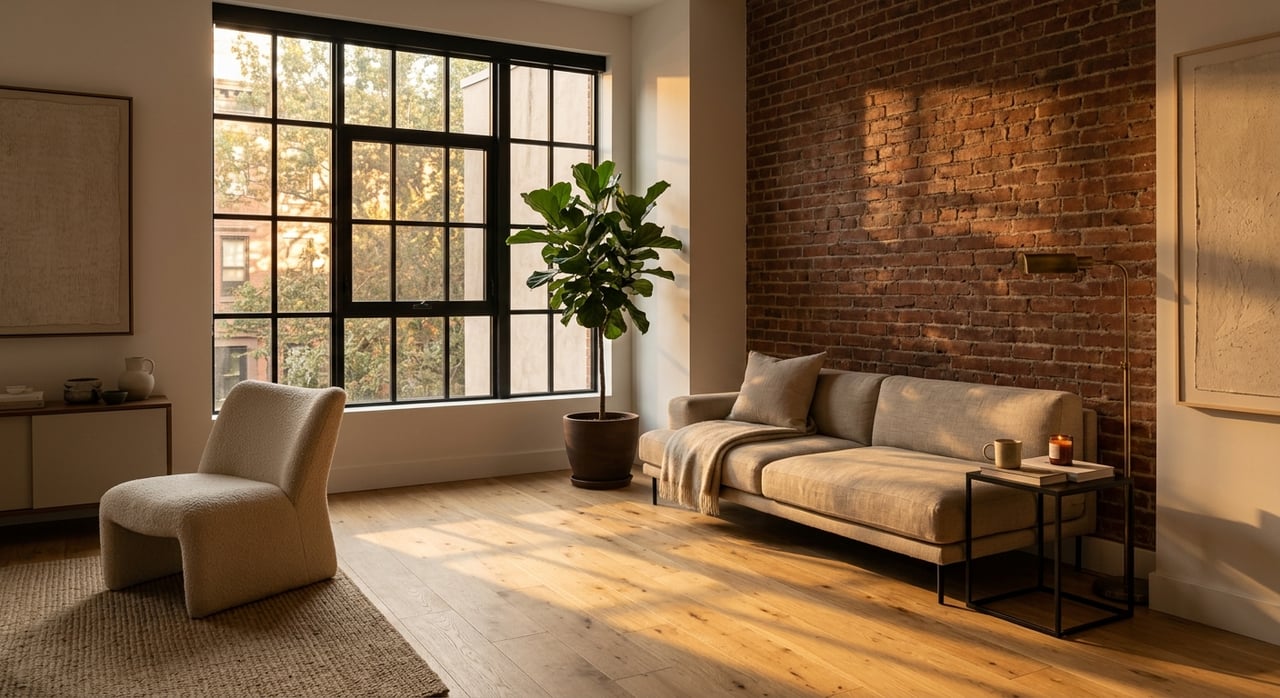
When you tour downtown properties, it helps to look past finishes alone. A great kitchen or exposed brick wall may catch your eye first, but your long-term experience often comes down to how the building functions day to day.
Ask practical questions about parking, access, monthly dues if applicable, pet rules if relevant, storage, and how the building handles maintenance. If you are considering an investment angle, you should also confirm local requirements carefully.
Current city guidance says short-term rentals such as Airbnb require a short-term rental permit and a city business license. That makes due diligence especially important if you are buying with rental goals in mind.
Why local guidance matters downtown
Downtown real estate is often more nuanced than a typical suburban home search. Building style, shared spaces, historic features, mixed-use settings, and future redevelopment plans can all affect value and fit.
That is where local market perspective matters. A team that understands Billings housing, investment considerations, and the details that shape long-term value can help you compare properties more clearly and move forward with confidence.
If you are thinking about buying or selling in downtown Billings, The Premier Group can help you evaluate your options with practical local insight.
FAQs
What types of homes are common in downtown Billings?
- Downtown Billings is known for lofts, condos, apartments, and mixed-use residential buildings, including adaptive reuse projects in older structures.
How walkable is downtown Billings compared to the rest of Billings?
- A Walk Score example for ZIP code 59101 is 72, rated Very Walkable, while Billings overall averages 35, which shows downtown offers a more walkable lifestyle than the citywide norm.
What amenities are near downtown Billings homes?
- Downtown includes restaurants, retail, breweries, distilleries, public art, entertainment venues, and cultural spaces like Art House Billings, the Billings Depot, and the Western Heritage Center.
What should buyers ask about downtown Billings condos and lofts?
- Buyers should ask about parking, storage, HOA or building rules, elevator access, maintenance, noise, and winter sidewalk responsibilities.
Can you own a short-term rental in downtown Billings?
- Current city guidance says short-term rentals require a short-term rental permit and a city business license, so buyers should verify the rules before purchasing for that use.
Is downtown Billings a good fit for downsizers or low-maintenance buyers?
- It can be a strong fit for buyers who want a condo, loft, or mixed-use residential setting with walkable access to dining, events, and daily conveniences.