Looking for room to spread out without getting too far from Billings? The acreage corridor around Shepherd, Huntley, and Worden draws buyers who want more land, more flexibility, and a rural lifestyle with practical access to everyday amenities. If you are weighing a homesite, hobby-farm setup, pasture ground, or a property with space for a shop and outbuildings, this guide will help you understand what to look for before you make an offer. Let’s dive in.
Why acreage stands out here
The area around Shepherd, Huntley, and Worden sits within Yellowstone County’s mix of rural residential land and irrigated agricultural ground. That matters because land use in this corridor is shaped in part by the Huntley Project, which serves the broader area with irrigation water for crops such as alfalfa, hay, sugar beets, silage, irrigated pasture, and small grains.
For you as a buyer, that helps explain why acreage options here can vary so much from one parcel to the next. One property may function best as a residential homesite with extra elbow room, while another may be better suited for pasture, hobby-farm use, or productive ground.
Start with zoning and parcel basics
Before you fall in love with a view or a fence line, check the parcel’s zoning. Yellowstone County’s GIS zoning categories identify RR1 as Rural Residential for 1 to 2.99 acres, RR3 as Rural Residential for 3 to 9.9 acres, and A as Agriculture for 10 acres and up.
Those labels can shape how a property fits your goals. If you are thinking about adding structures, planning future use, or exploring long-term flexibility, zoning is one of the first filters to review.
Yellowstone County’s parcel viewer can also help identify parcel-level details such as zoning, fire district, election district, and subdivision data. For acreage buyers, that makes it a useful starting point when you are comparing listings in the Huntley, Shepherd, and Worden area.
Know how the land gets water
In this corridor, water questions are rarely simple. Some parcels may benefit from project irrigation in the broader Huntley Project service area, while others may rely on private wells or separate private arrangements that are not reviewed by the county.
If irrigation matters to your plans, confirm that status directly rather than assume it transfers with the land. Yellowstone County notes that private entities such as irrigation, water, and sewer districts are handled outside county permit review, so those approvals and details need separate verification.
If a parcel uses a private well, that brings a different set of due diligence items. Montana DEQ states that it does not oversee or regulate the water quality of private wells, which means private well owners are responsible for maintenance and testing.
DEQ recommends an annual well check-up and at minimum testing for coliform bacteria and nitrate. It also recommends additional testing after flooding, maintenance, or any noticeable change in taste, odor, or appearance.
Check septic and building-site feasibility early
One of the biggest mistakes acreage buyers make is assuming that open land automatically means buildable land. Yellowstone County subdivision regulations require each lot to contain a building site that conforms to health department rules, zoning, and other state or local regulations.
If a lot is not served by public sewer or public water, minimum size requirements may be driven by Montana DEQ standards. The county also notes that MDEQ or county environmental health may require larger lots when needed to protect public health.
DEQ’s subdivision program reviews divisions of land under 20 acres and focuses on sanitation facilities such as water supply, sewage disposal, solid waste disposal, and storm drainage. If you are buying land with plans to build, split, or improve later, that review framework matters.
Road access can make or break a parcel
On rural property, access is not just about whether you can physically drive to the land today. It is also about whether legal and physical access are properly documented and whether county requirements are met for future use.
Yellowstone County subdivision rules require documented legal and physical access. County Public Works also requires permits for work in the road right-of-way, including private and public access points, and reviews access for sight distance.
The county states that a residential access permit is required when access connects to a county or dedicated road. If you are planning a new homesite or improving an existing entry, that requirement should be part of your early due diligence.
There is another detail buyers often miss. County rules require approved turnarounds for dead-end roads or driveways longer than 150 feet, which can affect site planning on larger tracts.
Outbuildings, shops, and extra structures
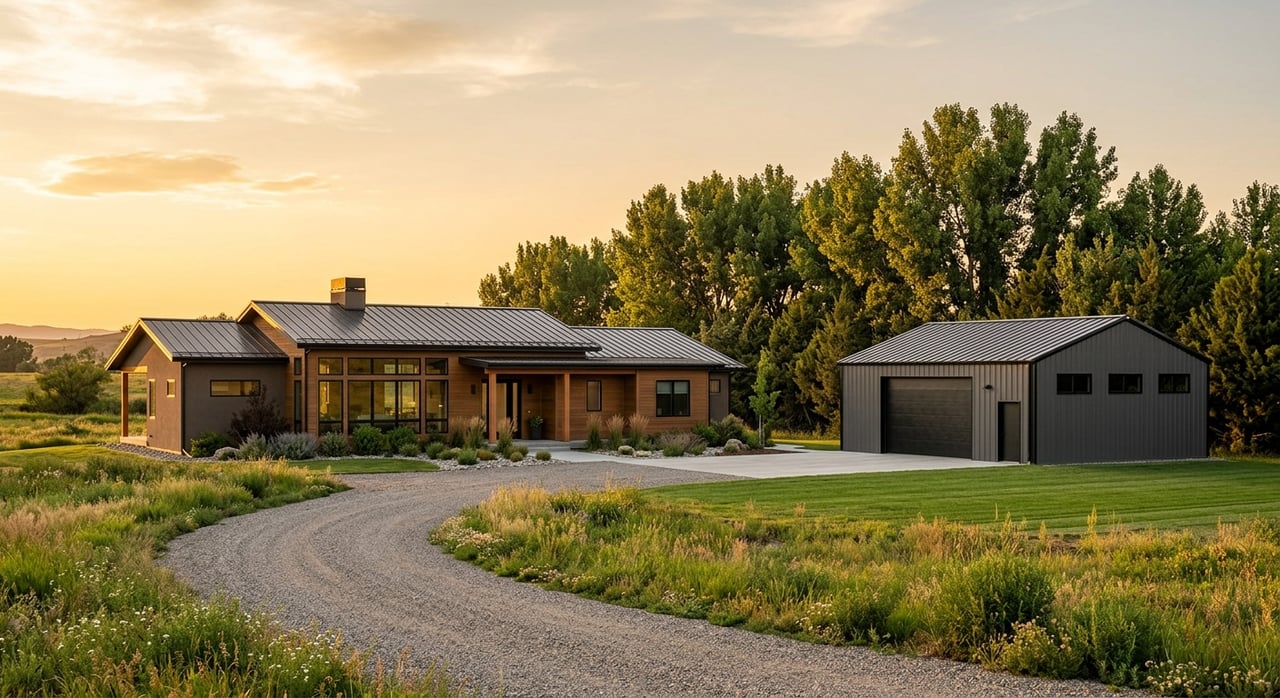
A big reason buyers look in Shepherd, Huntley, and Worden is flexibility. You may want space for a shop, barn, storage building, or other outbuildings that are harder to find on in-town lots.
Yellowstone County’s addressing procedures note that addresses can be assigned to non-habitable structures such as shops and barns. That is helpful, but it does not answer every land-use question by itself.
If you want to add structures, the practical questions are still zoning, access, floodplain status, and septic capacity. Those factors can affect what is realistic on a given parcel, both now and later.
Floodplain status matters more than many buyers expect
Because this area sits in a river-valley setting, floodplain review should happen early. Yellowstone County’s floodplain regulations apply to all lands within county jurisdiction, and the floodplain office advises buyers to confirm floodplain status using the legal description before building or improving a parcel.
That makes floodplain status one of the first screens for a property you hope to build on or improve over time. A parcel may look ideal on a listing sheet, but the legal description and floodplain review help you understand its real development path.
Thinking about future flexibility?
Many buyers are not just shopping for what works today. They also want to know whether a parcel may support future additions, a later split, or long-term investment value.
In Yellowstone County, any future division under 20 acres may trigger DEQ subdivision review. Lot size, access, and utility feasibility all matter, so the answer is rarely as simple as "yes" or "no."
County subdivision regulations also say that developments in county areas near Billings’ annexation or long-range urban planning areas should consider future connection to public water or sewer. While not every parcel in this corridor will be affected the same way, it is a useful reminder to look beyond the current setup and ask how the property may fit your long-term plans.
A practical acreage checklist
If you are comparing acreage around Shepherd, Huntley, and Worden, focus on these questions first:
- What is the parcel zoning: RR1, RR3, or Agriculture?
- Is there documented legal and physical access?
- Does access connect to a county or dedicated road that requires a residential access permit?
- Is the property in a floodplain?
- Is water from a private well, a district system, or irrigation service that must be confirmed separately?
- If there is a private well, has the well been tested and maintained?
- Can septic and the building site meet county and DEQ requirements?
- If you want a shop, barn, or other outbuilding, do zoning and site conditions support that plan?
- If future division matters to you, what would DEQ review and county requirements likely involve?
Why local guidance helps on acreage purchases
Acreage can offer freedom, privacy, and long-term potential, but it also comes with more moving parts than a typical in-town home purchase. Water sources, access permits, floodplain review, septic feasibility, and zoning details can all affect whether a property truly matches your goals.
That is why rural property buyers benefit from a clear process and local knowledge from the start. When you understand the land before you commit to it, you can move forward with more confidence and fewer surprises.
If you are exploring acreage around Shepherd, Huntley, and Worden and want practical help sorting through land use, property fit, and next steps, connect with The Premier Group.
FAQs
How do I check zoning on acreage near Huntley, Shepherd, or Worden?
- Yellowstone County’s parcel viewer can help you identify parcel-level zoning, including categories such as RR1, RR3, and Agriculture.
How do I know if a Yellowstone County parcel has irrigation water?
- County permit review does not handle private irrigation entities, so you should confirm irrigation or district status separately for the specific parcel.
What should I know about private wells on rural Montana property?
- Montana DEQ says private well owners are responsible for maintenance and testing, and it recommends annual well check-ups plus coliform bacteria and nitrate testing at minimum.
Can I build a shop or barn on acreage around Worden or Shepherd?
- Possibly, but the main factors to verify are zoning, access, floodplain status, and septic capacity for the parcel.
Does Yellowstone County issue building permits for rural property outside Billings?
- Yellowstone County states that it does not issue building permits or certificates of occupancy for structures outside Billings city limits.
Can I split acreage later in Yellowstone County?
- Maybe, but any division under 20 acres can trigger DEQ subdivision review, and lot size, access, and utility feasibility all matter.